
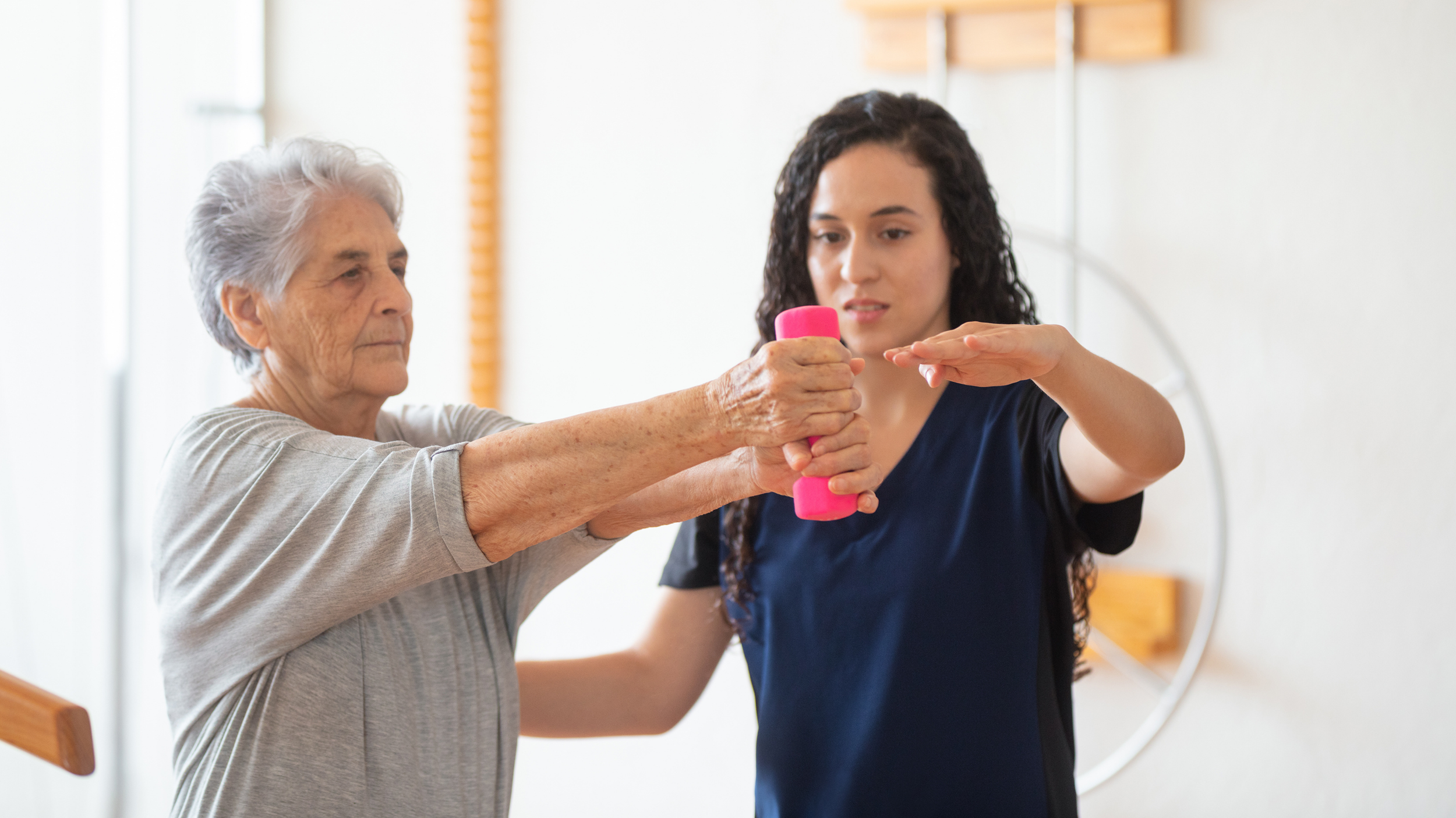
Occupational Therapy
-
Occupational Therapy -
Functional Assessments
Functional assessments play a critical role in understanding an individual’s abilities and limitations within their everyday environments. These assessments evaluate how a person performs tasks and activities essential for daily living, considering both physical and cognitive aspects. By accurately identifying specific challenges, healthcare professionals can tailor intervention plans that target areas needing improvement, ensuring that support strategies are both effective and meaningful for the individual’s lifestyle.
Fine & Gross Motor Skill Development
Developing fine and gross motor skills is fundamental for achieving independence and enhancing quality of life. Fine motor skills involve the coordination of small muscles, particularly in the hands and fingers, necessary for tasks such as writing, buttoning, and manipulating objects. Gross motor skills refer to larger movements involving arms, legs, and the torso, essential for activities like walking, jumping, and maintaining balance. Therapies focusing on these skills help individuals improve coordination, strength, and dexterity, which are vital for everyday functioning and participation in various life activities.
Sensory Integration Therapy
Sensory integration therapy addresses difficulties in processing sensory information from the environment, which can significantly impact behaviour, learning, and social interaction. This therapy utilises structured activities designed to help individuals better interpret and respond to sensory input, such as touch, sound, and movement. The goal is to enhance sensory processing, which supports improved motor skills, attention, and emotional regulation, resulting in a more adaptive response to everyday sensory experiences.
Adaptive Equipment Recommendations
Recommending adaptive equipment supports independence and enhances functional capability. Adaptive devices range from simple tools, like built-up handles and button hooks, to more complex technologies such as customised communication aids and mobility devices. A detailed assessment ensures that the selected equipment meets the unique requirements of the user, improving safety, comfort, and efficiency in daily tasks. Proper fitting and ongoing support ensure optimal use and integration of these tools into everyday life.
Daily Living Skills Training
Daily living skills training focuses on empowering individuals to manage personal care and household tasks independently. This training covers essential activities such as grooming, cooking, cleaning, and financial management. By developing these skills, individuals gain greater autonomy, confidence, and the ability to participate more fully in their communities. Tailored programmes ensure that training addresses specific needs and accommodates individual preferences and abilities.